


-

Add: HeBei ShengShi HongBang Cellulose Technology CO.,LTD.
-

Email
13180486930@163.com -

CONTACT US
+86 13180486930
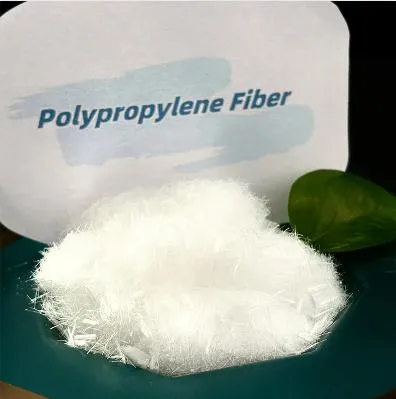

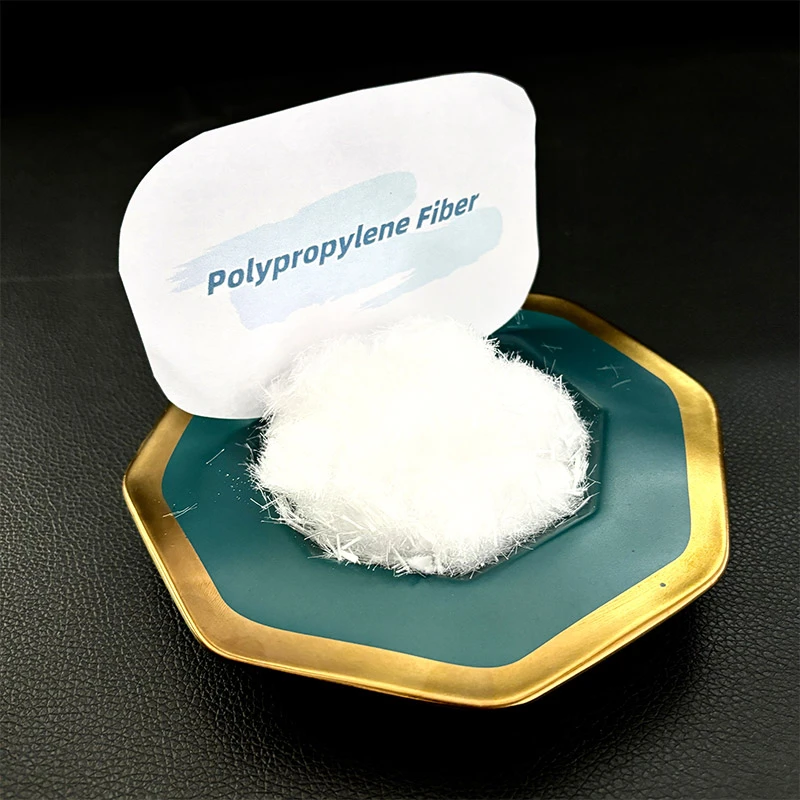


polypropylene fiber, pp fiber, pp fiber concrete, microfiber synthetic, polypropylene fibre is a key solution in the manufacturing industry, specifically within Manufacturing of building materials and Concrete admixture. This article explores how HeBei ShengShi HongBang Cellulose Technology CO.,LTD. supports professionals with durable, high-performance products, and explains why this product is an ideal choice for businesses in these sectors. Table of Contents polypropylene fiber,pp fiber,pp fiber concrete,microfiber synthetic,polypropylene fibre Overview Benefits & Use Cases of polypropylene fiber,pp fiber,pp fiber concrete,microfiber synthetic,polypropylene fibre in Concrete admixture Cost, Maintenance & User Experience Sustainability & Market Trends in manufacturing Conclusion on polypropylene fiber,pp fiber,pp fiber concrete,microfiber synthetic,polypropylene fibre from HeBei ShengShi HongBang Cellulose Technology CO.,LTD. polypropylene fiber,pp fiber,pp fiber concrete,microfiber synthetic,polypropylene fibre Overview Polypropylene fiber (often called pp fiber) is a high-performance, chemically inert micro reinforcement added to cementitious materials to mitigate early-age cracking and enhance durability. In pp fiber concrete, these microfiber synthetic strands distribute throughout the matrix to control plastic shrinkage, improve impact resistance, and increase toughness without corroding. Typical technical characteristics include a specific gravity near 0.91, melting point around 160–170°C, negligible water absorption, and excellent alkali resistance—attributes that make polypropylene fibre ideal for harsh cement environments. Common micro grades range from approximately 3–19 mm in length with diameters in the micron scale; tensile strengths frequently fall in the hundreds of MPa with moduli in the low GPa range, delivering crack control at low dosages. HeBei ShengShi HongBang Cellulose Technology CO.,LTD. manufactures consistent, clean-cut pp fiber engineered for uniform dispersion in mortar and concrete. With controlled fiber geometry, surface treatment for better wetting, and strict quality assurance, the company helps project teams achieve reliable performance from batch to batch across demanding construction and precast applications. Benefits & Use Cases of polypropylene fiber,pp fiber,pp fiber concrete,microfiber synthetic,polypropylene fibre in Concrete admixture In Concrete admixture formulations, pp fiber concrete is widely used to reduce plastic shrinkage cracking in slabs-on-grade, industrial floors, screeds, overlays, shotcrete, and precast elements. Microfiber synthetic reinforcement helps restrain early-age movement, reduces bleeding and settlement, and supports better surface integrity. Because polypropylene fiber is non-corrosive and chemically stable, it maintains performance in alkaline pore solutions and aggressive environments where steel micro-reinforcement or wire mesh might corrode. Compared with traditional crack-control methods, pp fiber can cut labor and placement complexity, improving jobsite productivity. It disperses rapidly in ready-mix trucks or mixers and is compatible with most water-reducers, superplasticizers, and supplementary cementitious materials. HeBei ShengShi HongBang Cellulose Technology CO.,LTD. brings deep category expertise, advising on fiber length, dosage, and mixing protocols tailored to specific elements—slab thicknesses, ambient conditions, or shotcrete rebound concerns—so specifiers and contractors can realize consistent finishes and fewer callbacks while meeting project specifications. Cost, Maintenance & User Experience Total cost of ownership improves when pp fiber replaces or reduces conventional crack-control measures such as welded wire mesh in non-structural applications. The incremental material cost per cubic meter is typically modest, while time savings from simpler placement and reduced labor can be significant. By limiting early-age cracking, polypropylene fibre helps avoid patching, joint edge spalling, and premature surface repairs—key drivers of lifecycle maintenance costs in the Manufacturing of building materials sector. Contractors and ready-mix producers report smoother finishing, improved edge stability, and fewer early-age defects when properly dosed and mixed. Field experience and industry studies frequently show substantial reductions in visible plastic-shrinkage cracking when microfiber synthetic is used under hot, windy, or low-humidity conditions. HeBei ShengShi HongBang Cellulose Technology CO.,LTD. supports users with application guidance, recommended dosages, and quality documentation, helping B2B decision makers validate ROI through fewer defects, tighter schedules, and enhanced owner satisfaction. Sustainability & Market Trends in manufacturing As the construction value chain accelerates toward low-carbon, durable designs, pp fiber concrete aligns with sustainability priorities. By controlling cracks that drive repairs and rework, polypropylene fiber supports longer service life and reduced material consumption over time. In many non-structural crack-control scenarios, substituting pp fiber for steel mesh can also help cut embodied carbon and logistics impacts. Compliance with leading standards—such as ASTM C1116 for fiber-reinforced concrete and EN 14889-2 for polymer fibers—supports broader market acceptance and specification. HeBei ShengShi HongBang Cellulose Technology CO.,LTD. positions its portfolio to meet modern regulatory and green-building expectations with process efficiency, consistent quality, and technical support that helps clients hit durability and performance targets. The company tracks market trends across admixtures, cement replacements, and circularity initiatives, ensuring its microfiber synthetic solutions work seamlessly with contemporary mix designs used in precast, infrastructure, and commercial projects worldwide. Conclusion on polypropylene fiber,pp fiber,pp fiber concrete,microfiber synthetic,polypropylene fibre from HeBei ShengShi HongBang Cellulose Technology CO.,LTD. For B2B decision makers in manufacturing, Manufacturing of building materials, and Concrete admixture, polypropylene fiber delivers dependable crack control, improved durability, and streamlined installation. As a trusted producer, HeBei ShengShi HongBang Cellulose Technology CO.,LTD. supplies pp fiber engineered for consistent dispersion and performance in pp fiber concrete, enabling measurable quality and lifecycle benefits. Contact us: email: 13180486930@163.com. Visit our website: https://www.sshbhpmc.com .
- 40000tons

Production
- 20+years

Experience
- 5000+㎡

Acreage

-
The world of hair care is evolving, with consumers seeking products that not only meet aesthetic desires but also promote overall hair health. One such innovative ingredient that stands out in the hair care market is hydroxypropyl starch phosphate, a modified starch that serves as an exceptional conditioning agent. This article delves into its multifaceted benefits, applications, and why it is gaining traction among hair care enthusiasts and professionals. Hydroxypropyl starch phosphate is derived from natural starch, typically sourced from corn or potatoes. This ingredient undergoes a modification process, which enhances its properties, making it particularly suitable for hair care applications. By altering the starch’s molecular structure, it becomes an effective film-former and stabilizer, endowing hair products with improved texture and performance. From a professional standpoint, hydroxypropyl starch phosphate is praised for its conditioning benefits . It effectively smooths the hair shaft, reducing frizz and enhancing shine. This is achieved by forming a thin film over the hair strands, which not only protects the hair from external aggressors but also locks in moisture. Unlike some synthetic polymers traditionally used in hair care, this modified starch is biodegradable, presenting an eco-friendly alternative that aligns with the growing consumer demand for sustainable beauty solutions. Hair health experts emphasize the importance of hydration and protection in maintaining vibrant hair. Hydroxypropyl starch phosphate contributes to these aspects by preventing moisture loss and shielding hair from thermal damage. Its ability to withstand high temperatures without breaking down makes it an excellent ingredient for products aimed at thermal protection, such as heat protectants and leave-in conditioners. Scientific studies and real-life testimonials corroborate the efficacy of hydroxypropyl starch phosphate in enhancing hair manageability. Users have reported noticeably softer and more manageable hair with continued use of products containing this ingredient. Furthermore, because it is derived from natural sources, it is gentle enough for daily use across various hair types, including chemically treated and sensitive scalps. hydroxypropyl starch phosphate hair In terms of professional formulations, hydroxypropyl starch phosphate’s versatility cannot be overstated. It seamlessly integrates into a wide range of hair care products, from shampoos and conditioners to styling creams and gels. Its compatibility with other common cosmetic ingredients ensures that product efficacy is not compromised, making it a preferred choice for formulators striving to create holistic hair care solutions. Trust and transparency are pivotal in today’s consumer landscape. As a naturally derived ingredient, hydroxypropyl starch phosphate offers a trustworthy option for brands and consumers alike. Its safety profile bolstered by regulatory approvals in major markets, assures users of its quality and efficacy. Additionally, its application in hair care represents a bridge between nature and science, exemplifying how innovative technology can enhance natural ingredients to meet modern beauty standards. Authoritative voices in the beauty industry have recognized hydroxypropyl starch phosphate for its superior benefits compared to traditional conditioning agents. Publications in cosmetic science journals highlight its multifaceted nature, underscoring its crucial role in developing advanced hair care products that cater to a diverse audience with varying hair care needs. For consumers and beauty professionals seeking a reliable, effective, and sustainable ingredient in hair care, hydroxypropyl starch phosphate presents a compelling option. Its ability to deliver consistent performance without compromising on safety makes it a standout choice in an industry where consumers are increasingly mindful of ingredient sourcing and environmental impact. As the quest for healthier, more sustainable hair care options continues, hydroxypropyl starch phosphate represents a step forward. By merging efficacy with environmental responsibility, it embodies the future of hair care, with promising potential for innovation. This ingredient is not just a solution for today’s consumers but a benchmark for tomorrow’s hair care formulations.
-
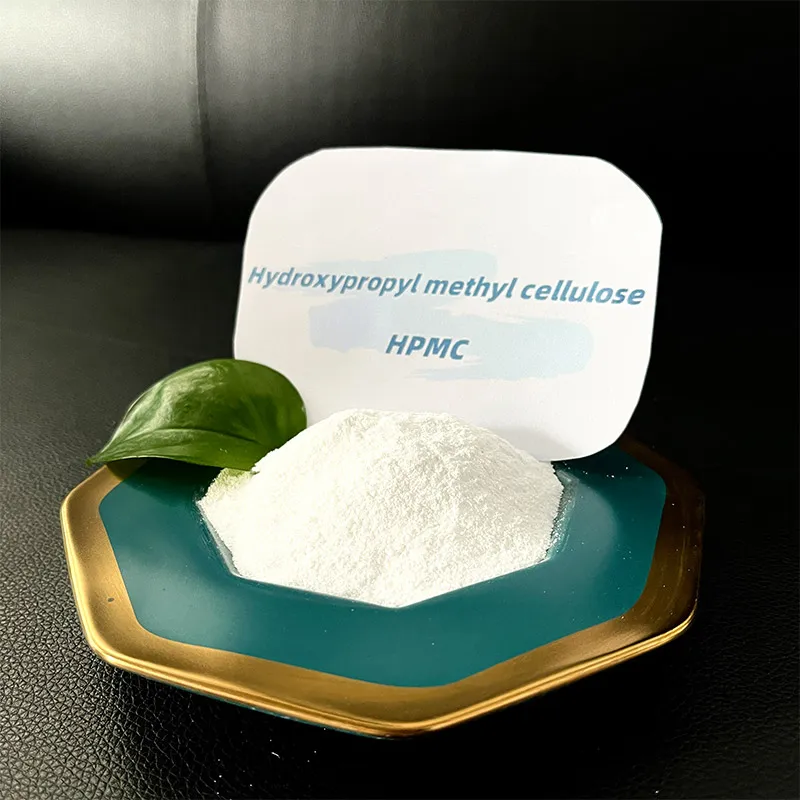
Hydroxypropyl methylcellulose (HPMC) is increasingly being recognized for its diverse applications in skincare products . As a cellulose-derived polymer, HPMC brings multiple benefits due to its unique properties, which are gaining attention both in scientific research and industry innovation. One of HPMC's most notable features is its moisture retention capabilities. In an era where consumers are seeking products that can hydrate and nourish the skin without harmful side effects, HPMC stands out as a safe and effective choice. Its ability to retain water makes it an ideal ingredient for moisturizers and creams designed to combat dryness and enhance skin elasticity. Users consistently report a noticeable improvement in skin suppleness after incorporating HPMC-infused products into their skincare routine. In addition to moisture retention, HPMC acts as a thickening agent. This property is invaluable for product formulation, allowing manufacturers to create skincare products that provide a pleasant texture and user experience. By enhancing the viscosity of creams and lotions, HPMC ensures even spreading and absorption, which enhances the effectiveness of active ingredients. Dermatologists often recommend products with this polymer for individuals with sensitive skin, as it reduces potential irritation often caused by other thickening agents. Another significant advantage of HPMC is its function as a stabilizer. In the cosmetic industry, maintaining the integrity of a formula over time is crucial. HPMC helps maintain the uniform distribution of particles in emulsions, preventing separation. This results in a consistent application experience and reliable product performance, which builds consumer trust and satisfaction. Products featuring HPMC are less likely to experience issues such as ingredient separation, which can compromise both the efficacy and safety of the product. HPMC also exhibits excellent film-forming properties, essential for certain skincare formulations such as masks or serums. By forming a thin, cohesive layer on the skin, HPMC can help lock in moisture and active ingredients, enhancing their delivery and increasing the time they remain effective on the skin. This characteristic not only boosts product efficacy but also can give users a tangible sense of protection and care, which is increasingly sought after in luxury skincare products. hydroxypropyl methylcellulose skin Furthermore, HPMC is appreciated for its hypoallergenic nature. As consumers become more mindful of ingredients applied to their skin, demand rises for hypoallergenic and non-comedogenic products. HPMC's gentle nature makes it suitable for individuals prone to allergies or adverse reactions. Its integration into skincare solutions addresses a crucial market need for safe yet effective beauty solutions, heightening its appeal across various demographics. Beyond individual product use, the inclusion of HPMC in formulations is supported by extensive scientific research. Studies have shown its non-toxic nature and compatibility with a wide range of other ingredients. The polymer's versatile nature allows it to be combined with vitamins, antioxidants, and botanical extracts, thereby enabling the development of multifunctional skincare products. Laboratories and product developers are continually exploring new combinations that capitalize on HPMC's compatibility and stability. In a world where consumers are empowered with information, transparency and credibility are non-negotiable. Hydroxypropyl methylcellulose stands as a testament to scientifically-backed innovation in skincare, drawing the attention of dermatologists, product developers, and informed consumers alike. Its multifaceted benefits, supported by concrete research and consumer testimonials, make it an indispensable choice in the formulation of next-generation skincare products. As awareness of environmentally-friendly and sustainable beauty products grows, the renewable nature of HPMC further solidifies its appeal. Derived from cellulose, a natural compound, HPMC aligns with the sustainable ethos valued by modern consumers. This environmental consideration, alongside skin health benefits, makes HPMC an attractive ingredient for forward-thinking brands aiming to lead in responsible beauty care. As the quest for effective, safe, and innovative skincare solutions continues, hydroxypropyl methylcellulose is poised to be at the forefront, providing tangible benefits while respecting the values of a discerning consumer base.
advantages
-

200000 Viscosities
Excellent product
We can produce pure products up to 200,000 viscosities
-

40000 tons
High yield
We don’t stop production all year round, and the annual output can reach 40,000 tons
-

24 hours
Quality service
We provide 24-hours online reception service, welcome to consult at any time
———— Inquiry Form
Schedule A services
- carbopol_powder
Oct . 25, 2025
In today’s fast-paced manufacturing and construction industries, the demand for sustainable and cost - fibrillated_polypropylene
Oct . 25, 2025
Hydroxypropyl Methylcellulose (HPMC) is a versatile and essential ingredient in the cosmetics indust -
 ansos_hpmc
Oct . 25, 2025
When weighing the benefits of HPMC (Hydroxypropyl Methylcellulose) against HEMC (Hydroxyethyl Methyl


